Loading...
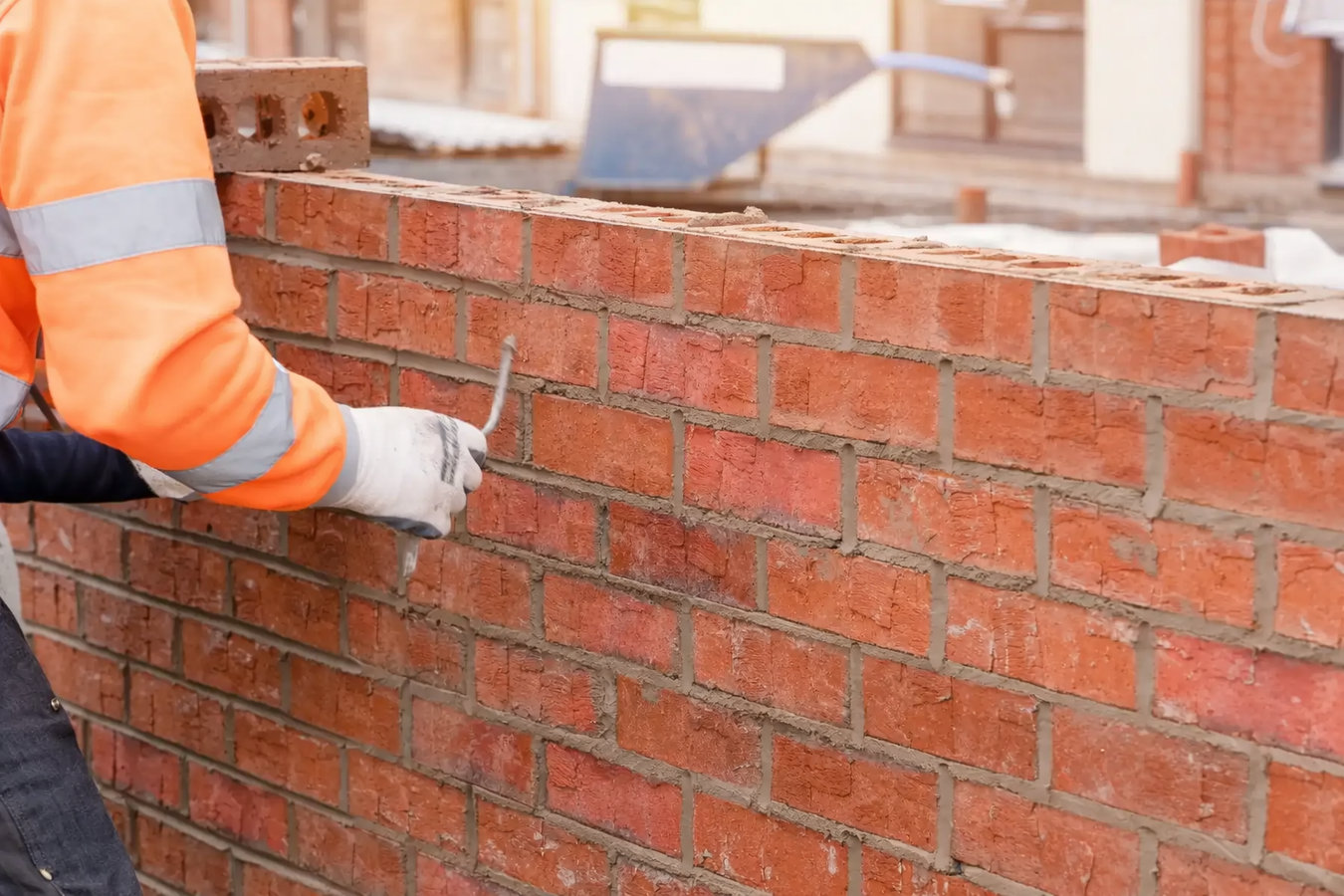
Antioch's wet winters find every gap in your mortar joints, and once water gets behind the bricks, the damage compounds fast. We remove failing mortar, pack in fresh material color-matched to your existing joints, and time every job to cure fully before the Delta's storms arrive.
Brick pointing in Antioch, CA means removing old, crumbling mortar from the joints between bricks and replacing it with fresh mortar - most chimney and single-wall section jobs are completed by a two-person crew in one to two days, with no need to leave the house.
Homeowners reach us when they notice powdery mortar, recessed joint lines, or white staining on brick after rain. The mortar between your bricks is softer than the bricks themselves by design - it absorbs stress and movement so the bricks do not crack. That softness also means it weathers faster, typically lasting 20 to 30 years before it needs replacement. In Antioch, where summer temperatures push past 95 degrees and winter rains arrive in concentrated bursts, mortar wears faster than in milder coastal climates. If your chimney or brick wall has never been repointed and the home was built before 1990, there is a good chance the mortar is overdue. For homes where the bricks themselves are cracked or have spalled, our foundation repair team can assess whether deeper structural work is needed before pointing makes sense.
The Brick Industry Association recommends that mortar joints be removed to a minimum depth of three-quarters of an inch before new material is packed in - shallower removal leaves a weak bond that will fail again quickly. We follow that standard on every job.
Stand close to a brick wall, chimney, or planter and press your thumb firmly against one of the mortar joints. If the material crumbles, flakes, or feels sandy rather than solid, the mortar has lost its binding strength. This is the clearest sign that repointing is overdue - and the sooner you act, the smaller the repair.
Healthy mortar joints sit close to flush with the brick face. When you can clearly see a shadow or gap running along the joint lines from a normal standing distance, the mortar has already receded significantly. In Antioch's wet winters, those gaps become channels that direct rainwater straight into the wall.
That chalky white residue - sometimes called efflorescence - appears when water moves through masonry and carries dissolved salts to the surface. Seeing it after a rainstorm is a reliable sign that water is getting into your brickwork through failing joints. It is a warning that moisture is already working its way in.
Given Antioch's seismic exposure and the stress that the Delta's wind-driven rain puts on exterior masonry, chimneys that have not been looked at in five or more years are overdue. Even if nothing looks obviously wrong from the ground, a mason can spot early joint failure at the crown and upper courses - the areas that take the most weather and movement stress.
We grind or chisel out the deteriorated mortar to a consistent depth across every joint being addressed - not just in the spots that look the worst. That full-depth removal is what ensures the new mortar bonds properly and does not peel away in the first wet season. We then mix fresh mortar, pack each joint carefully, and shape it to match the original joint profile on your wall. Color matching is part of the standard process - we test a small sample patch against your existing mortar before committing to the full job, so you can see how close the match will be before work begins. If you have related work needed on a chimney that requires more than just mortar replacement, our foundation repair team can assess whether any structural brick replacement is needed first.
For homeowners who want the refined two-color mortar look on older decorative brickwork, our tuckpointing service delivers that finish. Standard brick pointing is the right choice when the goal is waterproofing and structural integrity, and the cosmetic result is a clean, tight joint that blends with the surrounding wall rather than standing out.
Best for homeowners with a brick chimney that has never been repointed or has not been inspected since a major storm or seismic event - chimneys take the most weather and movement stress of any brick feature.
Best for homeowners who see recessed joints, white staining, or crumbling mortar on a brick wall, planter, or decorative feature exposed to Antioch's wind-driven Delta moisture.
Best for homeowners preparing to sell, who have not addressed the mortar in many years, or who want all brick and masonry surfaces put in good condition in a single scheduled project.
Antioch sits in the eastern Contra Costa County inland valley, where summer temperatures regularly exceed 95 degrees and winter rainfall arrives in concentrated bursts between November and March. That combination - baking heat drying out mortar in summer, then heavy rain saturating weakened joints in winter - accelerates deterioration faster than in coastal Bay Area cities. Add to that the Delta winds that push moisture off the water into exposed masonry on the north and west sides of the city, and you have conditions that shorten a mortar joint's lifespan noticeably compared to a home in a sheltered neighborhood. Homeowners in Pittsburg deal with the same Delta exposure and the same accelerated mortar wear.
Seismic safety is the other reason brick pointing matters here. The California Governor's Office of Emergency Services specifically flags unreinforced masonry chimneys as a risk in earthquake-prone areas, and Antioch is within range of several active fault systems in the East Bay. Mortar joints that are crumbling or hollow reduce a chimney's ability to flex during a tremor, increasing the risk of partial collapse. Keeping mortar joints solid is one of the most practical steps an Antioch homeowner can take for both water protection and seismic safety. Homeowners in Martinez and other East Bay communities face the same seismic considerations.
We respond to all new inquiries within one business day. We will ask which part of your home is involved, how old the home is, and whether you have noticed any water damage inside - so we come prepared for the site visit.
The mason walks around the affected area, checks the joint condition closely, and looks for any bricks that may need more than repointing. You get a written estimate that breaks down what was found and what the repair involves. We tell you at this point whether a permit is needed and what to expect from the color-matching process.
The crew grinds or chisels out the old mortar to a consistent depth - the noisiest part of the job, usually wrapping up by midday. Fresh mortar is then packed carefully into each joint and shaped to match the original profile. Expect some fine dust near the work area; closing windows on that side of the house during the morning helps.
At the end of the job, we walk you around the finished work, explain what was done, and note anything to watch in the future. Fresh mortar needs 24 to 48 hours before it should get wet - hold off on sprinklers near the repaired area. Full strength develops over the following weeks.
We come to your Antioch property, assess the mortar condition up close, and give you a clear written price - no obligation, no pressure, no surprises.
(925) 503-1246Antioch's rainy season arrives fast in November, and once heavy storms start, water finds every gap in your mortar almost immediately. We schedule and complete pointing work during the dry months so the mortar has time to fully cure before the first rain - not after. That timing difference is the reason some repairs last and others fail within the first winter.
One of the most common fears homeowners have about repointing is ending up with bright white lines cutting across weathered brick. We test mortar samples against your existing joints before committing to the full job. A perfect match is not always possible on older homes, but we get close enough that the repair blends in rather than standing out.
We understand that Antioch chimneys face real seismic risk, and we inspect every joint at the crown and upper courses - the areas most likely to have hidden hollow spots - not just the ones visible from the ground. The Mason Contractors Association of America sets the professional standards our mortar work is measured against.
Shallow mortar removal is the most common shortcut in repointing - a crew grinds just deep enough to pack new mortar in, but the bond fails quickly. We remove to a minimum three-quarters of an inch across every joint, which is what the Brick Industry Association recommends for a repair that actually holds through Antioch's seasonal cycles.
Properly pointed brickwork keeps water outside, supports chimney safety in a seismic zone, and blends in rather than looking like a patch job. Those outcomes depend on the depth of removal, the mortar mix, and the timing - and those are the details we manage on every Antioch job.
When water behind failing mortar joints has already reached the foundation, we assess and repair the structural damage before it spreads further.
Learn MoreTuckpointing uses a two-color mortar finish to restore the look of precision jointing on older brick - a close neighbor to standard repointing work.
Learn MoreAntioch's wet season starts in November - contact us now to get your mortar cured and sealed well before the first storm arrives.